
N7 Expert Network
Senior Advisors
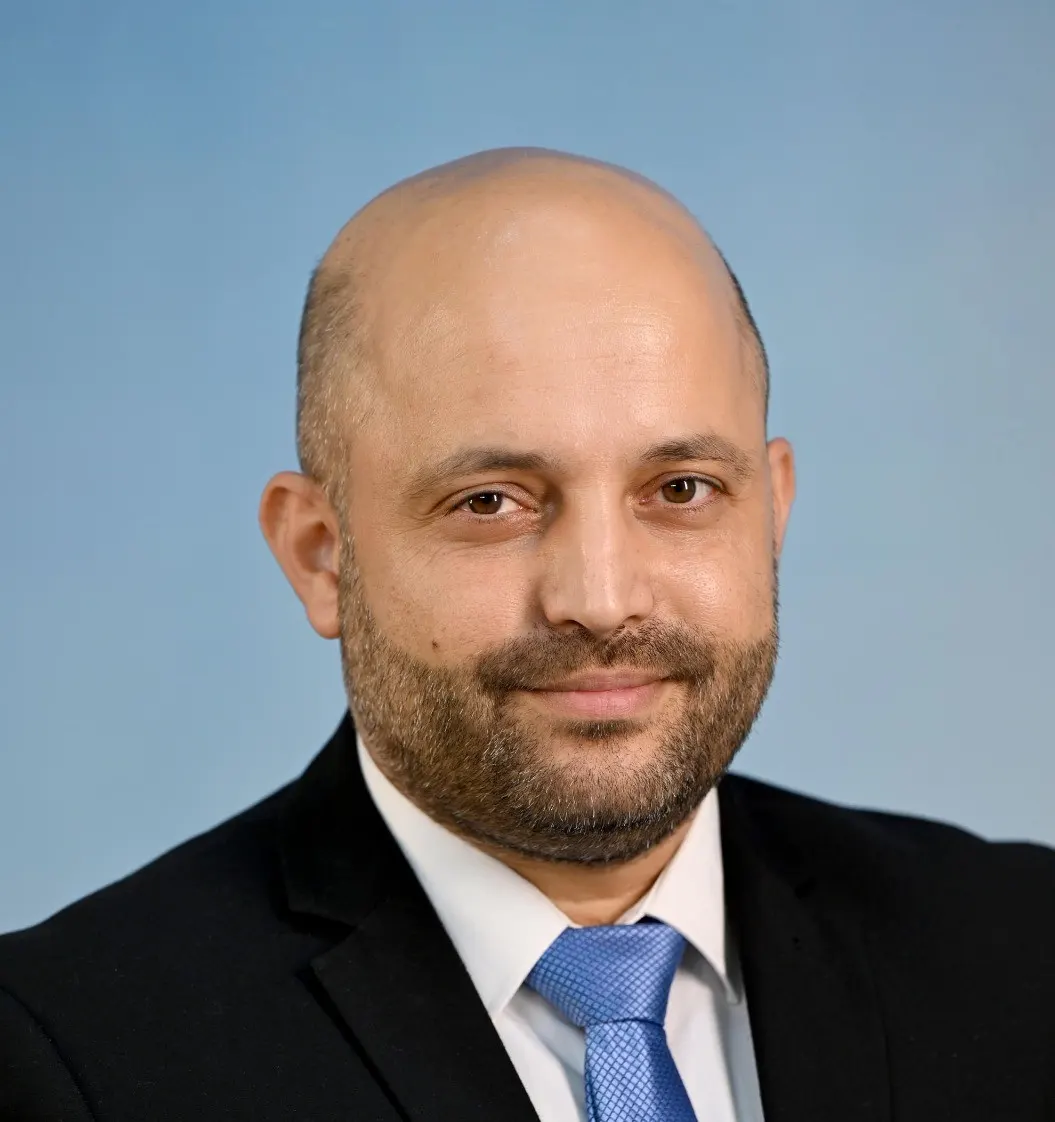
Dr. Eyal Hulata
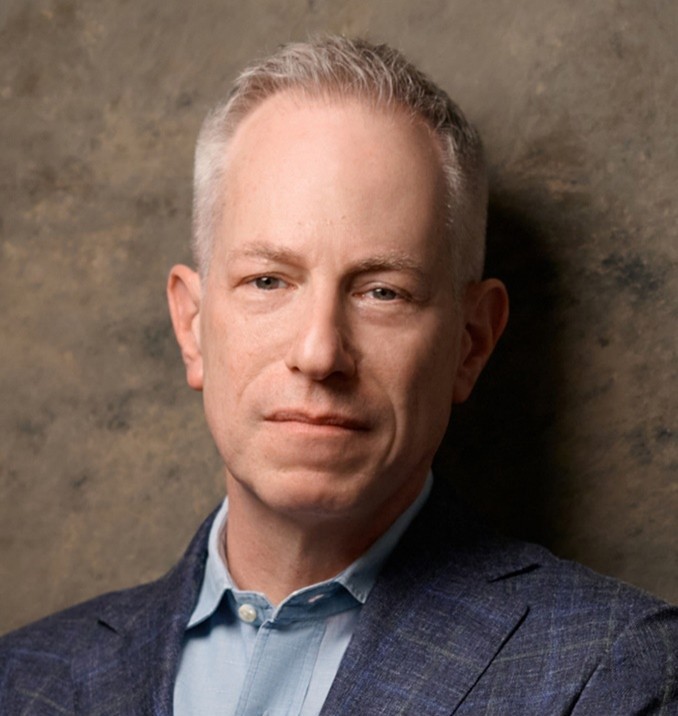
Ambassador Michael Ratney
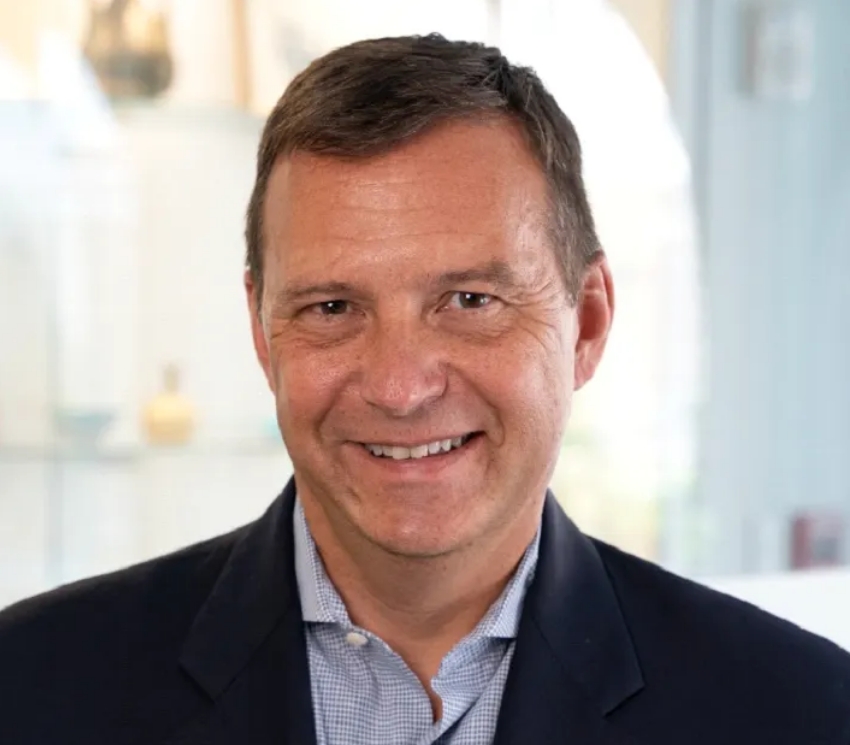
Brian Katulis
Experts
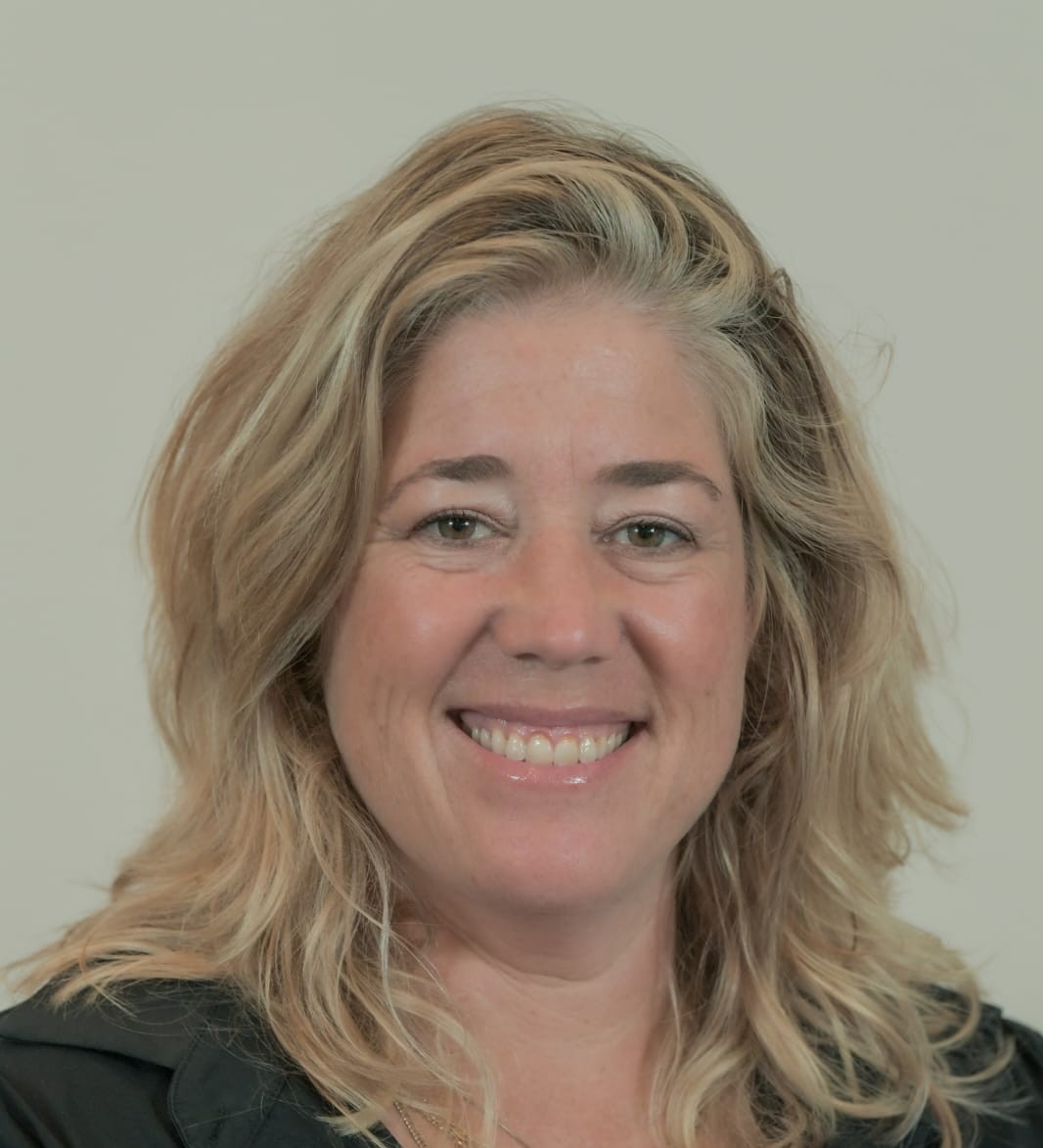
Livnat Dimon Avni
Rza Aliyev
Loay Alshareef
Chris Aw
Ahmed Khuzaie
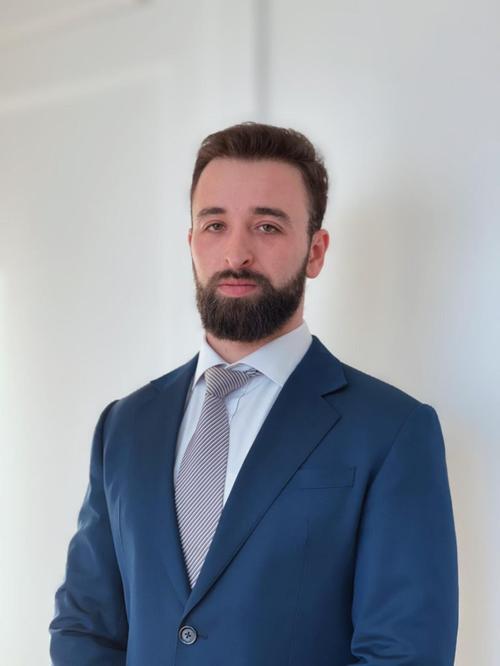
Joseph Epstein
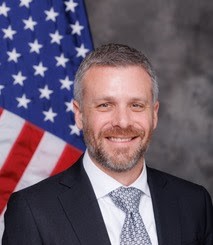
Josh Kram
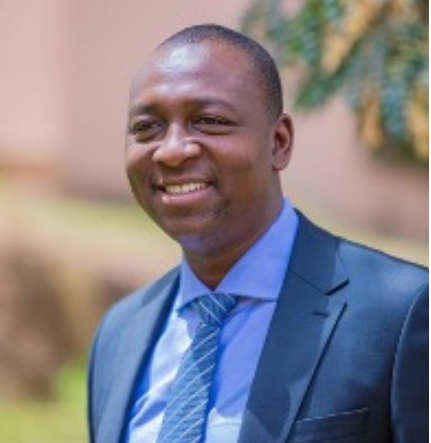
Dr. Bachir Ismael Ouedraogo
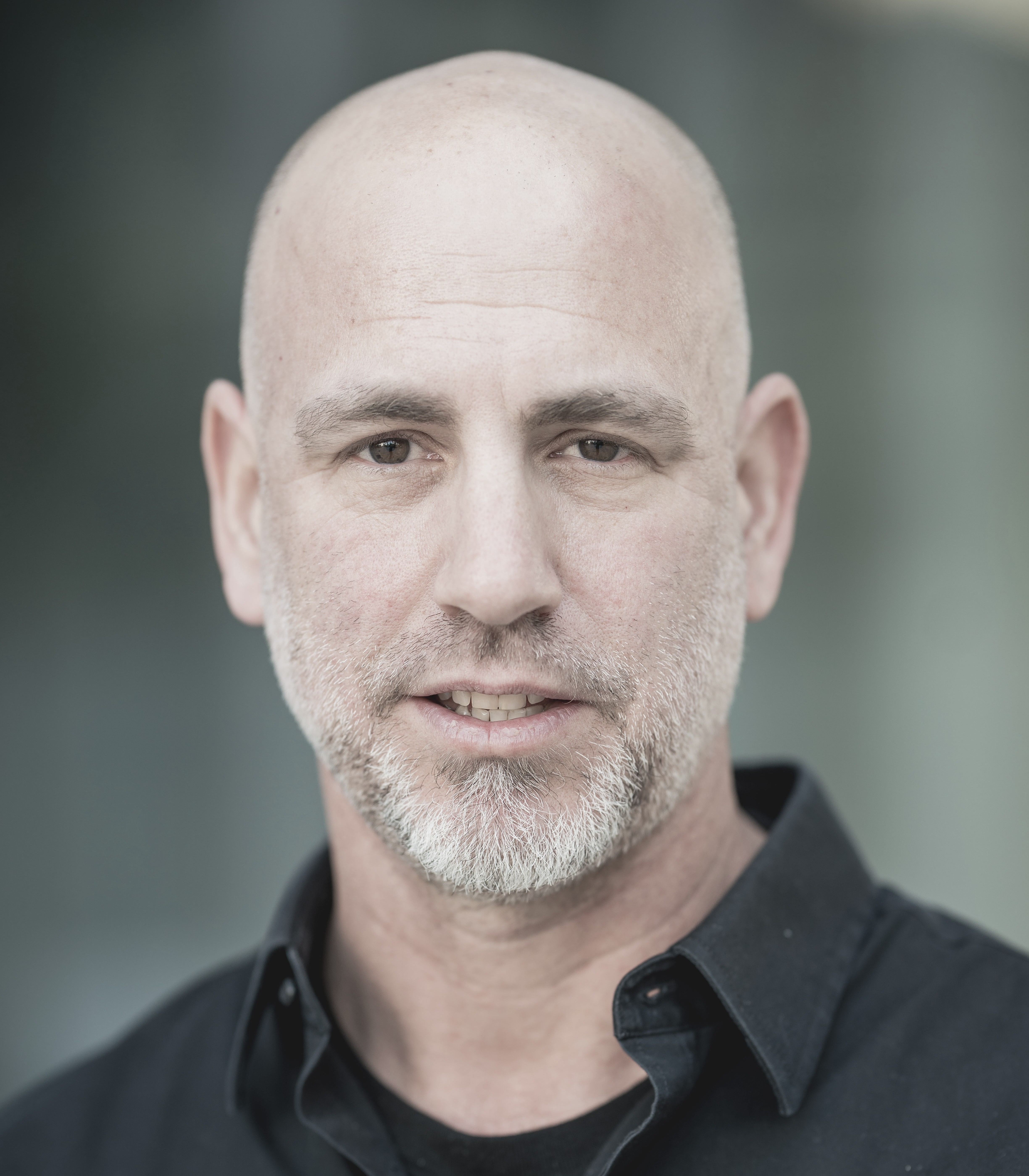
Dan Rothem
Sarah Zaaimi
Dr. Eyal Hulata
Former National Security Advisor and head of the National Security Council for the Bennett-Lapid government (2021-2022). Graduate of the IDF Talpoit program, has a PhD in Physics and an MA in Public Administration from the Harvard Kennedy School. Served for more than 20 years in the the Israeli IC, in executive technology and strategic planning roles. Currently Eyal is a Senior International Fellow at the Foundation for the Defense of Democracies, and an advisor to advanced energy and sustainability start-ups.
Ambassador Michael Ratney
Michael Ratney served for over three decades as a distinguished U.S. diplomat, most recently as the U.S. Ambassador to the Kingdom of Saudi Arabia. Ratney served as the U.S. Consul General in Jerusalem, as the Chargé d’Affaires of the U.S. Embassy to Israel, as well as postings in Baghdad, Beirut, Casablanca, Doha, Mexico City, Tunis, Bridgetown, and Washington DC. Over his career, Ratney has been at the center of high-profile diplomatic initiatives throughout the Middle East, including as U.S. Special Envoy for Syria.
Ratney taught leadership on the faculty of the National Defense University in Washington, and was Dean of the State Department’s School of Language Studies. Ratney speaks Arabic and French. He is a member of the Council on Foreign Relations and the American Academy of Diplomacy. Ratney serves on the Board of Governors of the Middle East Institute and on the Board of Directors of AMIDEAST. He is currently a Distinguished Fellow with the Israel Policy Forum and a Senior Advisor at the Center for Strategic and International Studies. He earned degrees from Boston University and George Washington University.
Brian Katulis
Brian Katulis is a foreign policy strategist, consultant, and senior fellow for US foreign policy at the Middle East Institute. He draws on decades of experience living and working in the Middle East, where he has forged relationships of trust and confidence across the region with top leaders in government, the private sector, media, national security, and thought leaders from a wide variety of international organizations.
Brian convenes and frequently participates in high-level briefings where he advises on the general strategy and trends of the region, bringing together leaders in the non-profit and for-profit world, government, military, and private sectors. He hosts the MEI podcast series Taking the Edge Off the Middle East and authors the column “Making Sense: A Regular Take on US Foreign Policy.” Brian frequently leads trips to countries across the region such as Bahrain, Egypt, Israel, Oman, Qatar, Saudi Arabia, and the United Arab Emirates.
Brian was previously a senior fellow on the national security team at the Center for American Progress, where he wrote time-sensitive and confidential reports for high-level policymakers and briefed top officials at the White House, State Department, and US intelligence agencies. He also testified before key Congressional committees based on his expertise on policy analysis.
Brian served on the Policy Planning Staff at the US Department of State and the National Security Council in the Near East and South Asian Affairs directorate in the second administration of President Bill Clinton. His experience also includes service in the Department of Defense at the Naval Sea Logistics Center, and the policy office of former Pennsylvania Governor Robert Casey. In 2013, United Nations Secretary-General Ban Ki-Moon appointed Brian a member of the UN Panel of Experts on Libya, where he analyzed Libya policy.
As a national security expert and geopolitical analyst, Brian is frequently quoted in leading news publications and media outlets including The Wall Street Journal, The Financial Times, The New York Times, The Washington Post, National Public Radio, and PBS Newshour. He has developed a reputation for building bridges and coalitions across partisan and ideological lines in several projects and books aimed at strengthening America’s position in the world at a time of geopolitical change. He speaks regularly at leading international conferences, and he has been named one of Washington DC’s Most Influential People by the Washingtonian magazine. He is the co-author with Nancy Soderberg of The Prosperity Agenda, a 2008 book about using America’s economic advantages to positively shape global dynamics.
In addition to his public policy leadership, Brian has years of experience working in the private sector. From 2009 to 2025, he was a senior advisor to the Middle East and North Africa practice at the Albright Stonebridge Group, where he briefed and advised corporate leaders on geopolitical strategic dynamics related to the broader Middle East. In that role and now at North Star Global Strategies, he has provided regular briefings on economic, political, and regulatory climates to facilitate successful business transactions and joint ventures, risk management strategies, and commercial dispute resolution. From 2000 to 2003, Brian was a senior associate at Greenberg Quinlan Rosner Research, where he worked on teams providing strategic advice to private corporations including former BP Chief Executive Officer John Browne, candidates for public office, and national political leaders in North and South America, Europe, and the Middle East, including British Prime Minister Tony Blair and Israeli Prime Minister Ehud Barak.
Brian began his career living and working in Egypt, Israel, the West Bank and Gaza Strip in the 1990s with the National Democratic Institute for International Affairs. He received his MPA from Princeton’s School of Public and International Affairs and he graduated summa cum laude with a BA in history from Villanova University. He was a Fulbright Scholar in Amman, Jordan from 1994-1995, where he conducted a research project on the peace process between Israel and Jordan.
Livnat Dimon Avni
Adv. Livnat Dimon Avni is a senior national security and strategy expert with more than 17 years of leadership experience across Israel’s defense, intelligence and policy establishments. She serves as the Chief Strategy Officer and the Director of the National Security Program at Tachlith Institute for Israeli Public Policy as well as Senior Advisor for the Foundation for Defense of Democracies (FDD).
Previously, Livnat served as Chief of Staff to Israel’s National Security Council (NSC) advising the Prime Minister and the NSA on a broad range of national security strategies and policies, leading strategic planning processes and overseeing NSC departments and HQ operations.
With over 15 years at the Israeli Prime Minister’s Office, culminating as Head of the International Operative Law Division, consulting on the intersecting national security, policy and international and comparative law issues, such as counterterrorism, export control and counter-proliferation, and sanctions, and leading interagency and international operations.
Her earlier public service includes the Ministry of Foreign Affairs’ Legal Department and the State Attorney’s Administrative–Civil Division.
As part of her public and social activity, Livnat also serves as a board member of SHOVAL, an Israeli do- tank working with the Israeli security echelon, and a member of ‘Shavot’, an Israel based social NGO, dedicated to empowering young women.
Livnat holds a B.A. in Modern Middle Eastern Studies, a LL.B and a LL.M, all with Cum Laude honors, from Tel Aviv University.
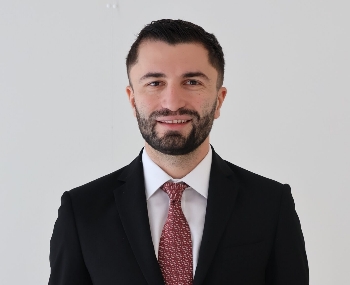
Rza Aliyev
Rza Aliyev is a senior geopolitical adviser with over fifteen years of experience, leading at the intersection of global diplomacy, climate policy, and finance. Rza serves as the Chief Strategy and Sustainability Officer at the Nizami Ganjavi International Center (NGIC). NGIC is an international organization that convenes over 100 former and current heads of State and of Government to engage in dialogue on pressing international challenges and to develop policy recommendations.
As a co-founder of Meridian Global Advisors (MGA), Rza is a trusted counsel to governments, family offices, UN agencies and Fortune 500 companies on geopolitical risk, the energy transition and sustainable development. MGA is a market-entry and intelligence advisory firm specializing in high-growth and geopolitically complex markets in Central Asia and the Caucasus, Southeast and South Asia, and MENA; advising corporates, investors and governments on strategy, stakeholder engagement, and industry analysis
Rza is a Non-resident Senior Fellow of the Atlantic Council Middle East Programs N7 Initiative as well as a Distinguished Visiting Professor at Tsinghua University Schwarzman Scholars Program. He holds Doctor Honoris Causa from the University of Georgia.
Previously, Rza has held a range of roles at bp, most recently leading shareholder management of Lightsource bp (solar energy). Rza also built and led several of bp’s sustainability-related partnerships and initiatives, developed various group-level policy positions and worked with governments and partners in West Africa to build energy projects.
Before working in energy, Rza served as a private banker at two of the largest banks in the Principality of Andorra, creating and managing significant portfolios. Rza also served as a member of the Junior Board of the World Monument Fund and Youth Delegate from Azerbaijan to the United Nations.
Rza was part of the inaugural cohort of the Schwarzman Scholars Programme, which culminated in a Master of Management in Global Affairs from Tsinghua University with a focus on Economics and Business. He also holds a MA in Diplomacy and International Affairs from the Azerbaijan Diplomatic Academy and a BA in Public Administration from the Academy of Public Administration.
Fluent in Azerbaijani, English, Russian, Spanish, and Turkish, Rza serves in the Leadership Council of the UN Sustainable Development Solutions Network (Black Sea Chapter) and is an Associate Fellow of the World Academy of Art and Science. He is recognized as a Sustainability Integrator and SDG Champion by UNDP, the Mohammad Yunus Centre and other prominent organizations.
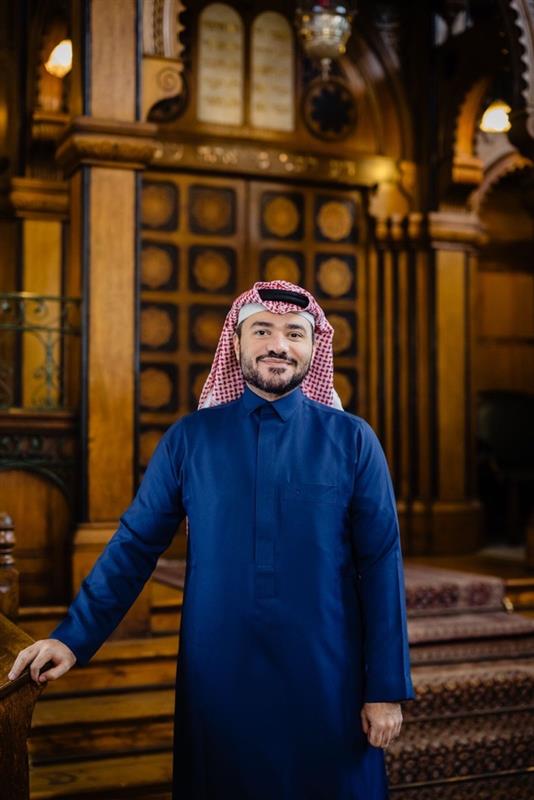
Loay Alshareef
Loay Alshareef is an Arab Muslim peace advocate, historian, and social media influencer whose mission is to bridge divides between Muslims and Jews and to champion peace in the Middle East.
Born and raised in Saudi Arabia to a Saudi Egyptian family that once held many radical views, Loay experienced a turning point in 2010 after living with a Jewish family in France. That experience reshaped his worldview and inspired his lifelong commitment to peace.
He began his media career in Saudi Arabia, working across fields such as language education, history, and tourism, before dedicating himself fully to peace advocacy and promoting the Abraham Accords.
As a leading voice in interfaith dialogue and reconciliation, he has earned international recognition for his pro-Jewish stance, support for Israel’s legitimacy, and commitment to the Abraham Accords. He is currently based in United Arab Emirates.
With an academic background that combines software engineering (MA, Penn State) and expertise in ancient languages and scripts, Loay offers a rare perspective that unites technology, history, and cultural understanding. He reads Egyptian hieroglyphs and ancient Arabian scripts, and leverages this deep historical knowledge to foster meaningful narratives of coexistence.
Loay’s influence extends to over 800,000 followers across Instagram and X, where his multilingual content reaches a global audience. His ability to communicate complex issues in an accessible way has positioned him as one of the most compelling voices for peacebuilding, cultural diplomacy, and interreligious understanding.
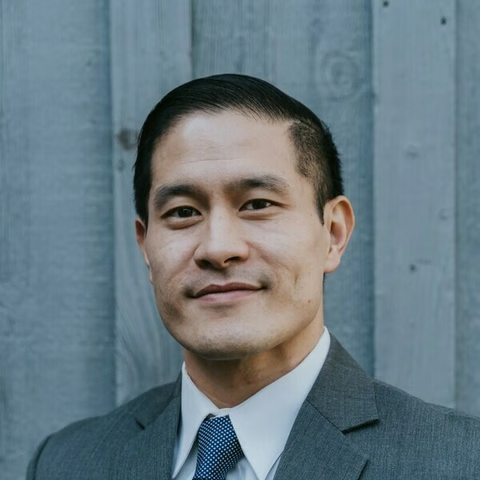
Chris Aw
Chris is an entrepreneur and investor focused on finance and technology. He is a government, family office, venture capital, and angel investor veteran who has built technology, consulting, and investing businesses. He has a particular interest in emerging technology, media, and real estate.
He advised the US government on technology investments of $20B per year over five years and founded companies in cybersecurity and consulting.
Chris serves on four non-profit boards: Operation Snow Leopard, Veterans in Media and Entertainment, and Family Hippocampus. He actively volunteers with The Unreasonable Group, The Moonshot Awards, and The Cartier Women’s Initiative Awards, supporting impact entrepreneurs.
As a fourth-generation family business member, Chris speaks at Family Office conferences on investments, philanthropy, and legacy planning. He holds degrees from the University of Washington, Bowie State University, the University of Maryland, and has completed programs at Harvard University, the Wharton School, and the University of San Francisco.
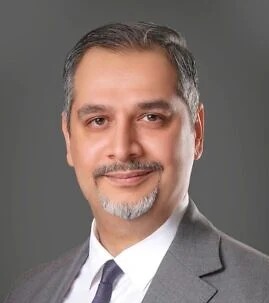
Ahmed Khuzaie
Ahmed Khuzaie is a Bahraini analyst focused on Gulf affairs and the Abraham Accords. He is known for his pragmatic diplomacy approach to the Middle East issues. He writes a weekly column for Al-Ayam Newspaper and is a regular contributor to international TV stations. He is the author of the best selling book “Kingdom of Bahrain: Political Review.”
Joseph Epstein
Joseph Epstein is the Director of the Turan Research Center, a senior fellow at the Yorktown Institute and a research fellow at the Post-Soviet Conflicts Research Program at Bar Ilan University’s Begin Sadat Center for Strategic Studies. He also sits on the advisory board of the Alekain Foundation, a nonprofit dedicated to providing education to women and girls in Taliban-controlled Afghanistan. He specializes in Eurasia and the Middle East and his work has been featured in various outlets such as Newsweek, the Wall Street Journal, the Hill, the Atlantic Council, Novaya Gazeta, RFE/RL, Foreign Policy and others. From 2017 to 2019, he served as a Lone Soldier in the Israeli Border Police. A graduate of Columbia University, where he studied Political Science and Soviet Studies, Joseph is fluent in Russian and Hebrew.
Josh Kram
Josh Kram has worked across government, business, and civil society on economic and regional issues in the Middle East. He leads Westbrook Global Advisory, a boutique consultancy supporting companies and institutions on cross-border strategy and public-private engagement, and co-manages Riyalpolitik, a platform examining capital flows, trade, and economic integration across the region.
Previously, Josh served as senior official at the U.S. International Development Finance Corporation (DFC), where he worked across policy, investment, and external affairs in support of a $60 billion global investment portfolio. Earlier, at the U.S. Chamber of Commerce, he led Middle East initiatives to advance U.S. commercial engagement and private-sector investment, including oversight of the Middle East Commercial Center and regional business councils.
His background also includes leadership roles with NGOs, advocacy organizations, and consulting firms operating in the Middle East, where he worked on policy, partnerships, and economic development.
Josh’s writing and commentary have appeared in The New York Observer, Times of Israel, Jerusalem Post, NPR, and The Hill. He holds an MBA from Emory University and is a Phi Beta Kappa graduate of the University of Florida.
Dr. Bachir Ismael Ouedraogo
Bachir Ismael Ouedraogo is a senior advisor at the Tony Blair Institute for Global Change, where he plays a key role in addressing Africa’s energy challenges and promoting regional development. He works with governments across the continent to overcome barriers to electricity access and job creation.
With extensive experience working on the Sahel region, Ouedraogo contributes to initiatives aimed at reducing terrorism and insecurity. He served as Burkina Faso’s minister of energy and mines for four years, during which he doubled the country’s energy access. He also successfully attracted private investment to develop around 200 megawatts of solar energy projects.
Ouedraogo’s efforts have focused on improving electricity access in Burkina Faso and facilitating the development of regional interconnections. He played a crucial role in advancing the West African Power Pool, an initiative to integrate national power systems into a unified regional electricity market.
In addition, Ouedraogo served as the coordinator of the Economic Community of West African States (ECOWAS) Renewable Energy Entrepreneurship Support Facility. He is also the founder and chief executive officer of OPEN Education, an organization focused on developing e-learning solutions for developing countries. OPEN Education has created apps that provide access to quality education through information technology, particularly for underserved populations. Ouedraogo has also been elected twice as a member of parliament for Burkina Faso, where he served as parliamentary secretary.
Ouedraogo holds a PhD in the economics of renewable energy and climate change from the University of Manchester, where he conducted extensive research on the financial impact of renewable energy in developing countries. He also holds a master’s degree in economics from the University of Ouagadougou and a master’s degree in public policy finance from the University of Maastricht.
Dan Rothem
Dan Rothem is a senior policy analyst with Israel Policy Forum, where he drives research, analysis and advocacy on Israeli policy, regional diplomacy, and the dynamics shaping the Israeli-Palestinian arena. Based in Israel, he focuses on practical policy design, political dynamics, security arrangements, and strategies for conflict transformation.
Rothem also serves as a senior policy advisor at the Herbert C. Kelman Institute for Interactive Conflict Transformation.
Previously, Dan served as a senior researcher at Tachlith — The Institute for Israeli Policy, and as CEO of Commanders for Israel’s Security, a nonpartisan movement of more than three hundred retired IDF generals and senior Mossad, Shin Bet, police, and National Security Council officials. For nearly two decades, he was a senior research consultant at the S. Daniel Abraham Center for Middle East Peace, where he pioneered the use of advanced GIS-based territorial analysis for Israeli-Palestinian negotiations.
Rothem’s work has spanned conflict resolution, U.S.-led mediation efforts, and the Israeli-Palestinian issue’s evolving role within broader regional dynamics and normalization processes. He has briefed Israeli, U.S. and other international officials at the highest levels, and has participated in multiple high-level Track II diplomatic initiatives.
Rothem previously served in the IDF Artillery Corps and holds an MA in government with a specialization in diplomacy, conflict studies, and negotiation from Reichman University (formerly Interdisciplinary Center in Herzliya), as well as a BA in journalism from Gardner-Webb University.
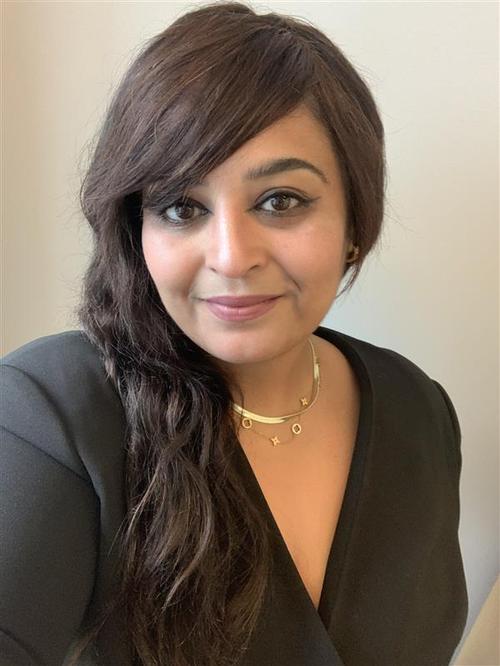
Sarah Zaaimi
Sarah Zaaimi is a nonresident senior fellow with the Atlantic Council’s Middle East Programs. Her research focuses on the Western Sahara conflict, North Africa, Arab-Israeli normalization, and regional minorities. She is also the former deputy director for media and communications of the Rafik Hariri Center for the Middle East at the Atlantic Council.
Zaaimi is an award-winning journalist, communications strategist, and international development professional with over two decades of extensive experience in the Middle East and North Africa (MENA) in countries like Morocco, Egypt, and Iraq. Prior to joining the Atlantic Council, she managed projects and engagement efforts for organizations like the European Union’s Anna Lindh Foundation, World Wildlife Fund, the International Committee of the Red Cross, and the International Organization for Migration.
She also worked in several US, UK, and MENA newsrooms as a reporter, producer, and news editor, including various pan-Arab media outlets like BBC Arabic, Asharq Al Aswat, the US Agency for Global Media’s Alhurra, and Al Araby TV. Zaaimi holds an MSc in communications and international development from the London School of Economics and Political Science (LSE), an MA in communication management from l’Ecole Polytechnique of Paris, a BA in journalism and media, and is currently pursuing a PhD in Middle Eastern Studies. She is also a United Nations Alliance of Civilization MENA fellow, an FDD Berish Center for Media Integrity fellow, and an honorary research fellow at the University of Exeter. Her PhD research and writings focus on North African politics, transnational identities, Arab cultural studies, diaspora, and community stabilization.